
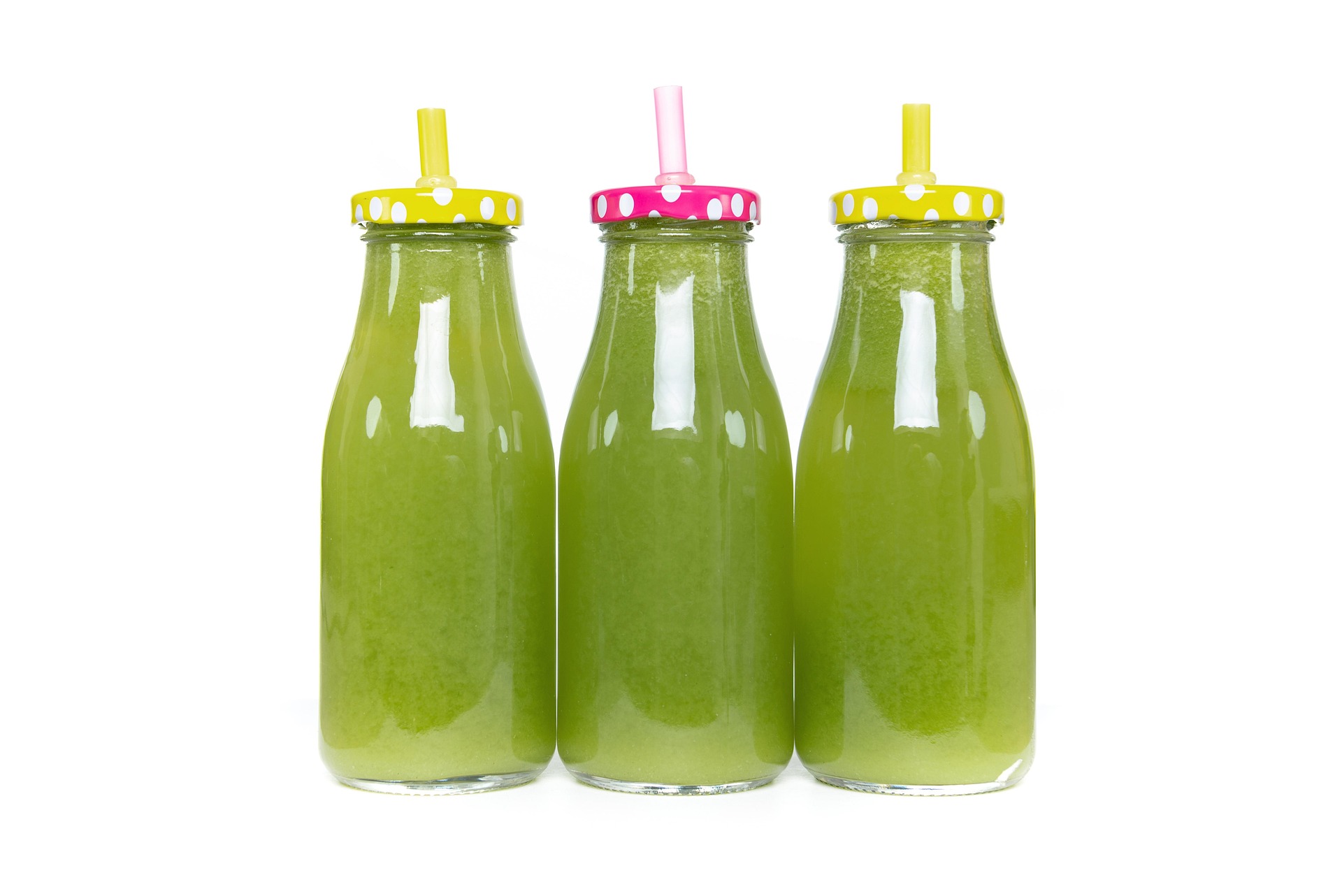

Direct answer: Fresh juice usually wins on nutrition, while store-bought juice wins on convenience. However, once you calculate what buying bottled juice regularly costs, that convenience can become surprisingly expensive over time. Read on to find out what is better store-bought vs fresh juice.
What You’re Actually Comparing
When comparing store bought juice vs fresh juice nutrition difference, it’s important to know that not all bottled juices are created equal. Store-bought options range from long-life cartons made from concentrate to premium cold-pressed bottles found in cafés and health food shops. Fresh juice, by comparison, is made at home and usually enjoyed within minutes of juicing.
The Nutrition Gap
The biggest difference isn’t necessarily the ingredients—it’s time. Fresh juice begins changing as soon as it’s exposed to air. Oxygen gradually affects delicate nutrients such as vitamin C while also altering flavour and colour. Pasteurised juices lose even more during the heat treatment used to extend shelf life. Although high-pressure processed (HPP) juices retain more nutrients than traditional cartons, freshly made juice still offers the greatest freshness when consumed straight away.
Where Store-Bought Juice Wins
Convenience is difficult to ignore. There’s no chopping, peeling, or cleaning a juicer before work. If you travel frequently or simply don’t have ten spare minutes in the morning, a good-quality cold-pressed bottle is often a better choice than skipping fruit and vegetables altogether.
When buying bottled juice, look for labels that say 100% juice with no added sugar or sweeteners. A shorter ingredient list is usually a good sign.
Where Fresh Wins — Including the Number That Matters
The biggest advantage of making juice at home is value. A cold-pressed juice from a café or health shop typically costs between $2 and $3 a bottle. Drink one most weekdays and you could easily spend $500 or more each year. By comparison, making the same juice at home costs only the price of the ingredients, meaning a good juicer can often pay for itself within a few months if you juice regularly.
Fresh juice also gives you complete control over ingredients, allowing you to reduce fruit, add extra vegetables, or experiment with new combinations.
A Related Question: Cleanse or Smoothie Detox?
People comparing bottled and homemade juice often ask juice cleanse vs smoothie detox which works better. Juice cleanses remove most of the fibre, while smoothies keep it, helping you feel fuller for longer. The better choice depends on your goals.
The Verdict
If convenience is your priority, quality bottled juice is a practical option. But if you juice regularly, fresh juice offers better nutrition, greater flexibility, and better long-term value.
Worth remembering: a cold-pressed juice with a long shelf life has usually been preserved using high-pressure processing rather than being “extra fresh.” It’s useful for storage, but it still doesn’t match freshly made juice.
If you’re considering making juice at home, our guide to Juicing Methods Compared explains how different juicer types affect flavour, foam, and freshness.
Final Sip
There’s no need to choose perfection over practicality. Enjoy bottled juice when convenience matters, but if juicing becomes part of your routine, fresh juice is likely to reward both your wallet and your taste buds.


Comments are closed