
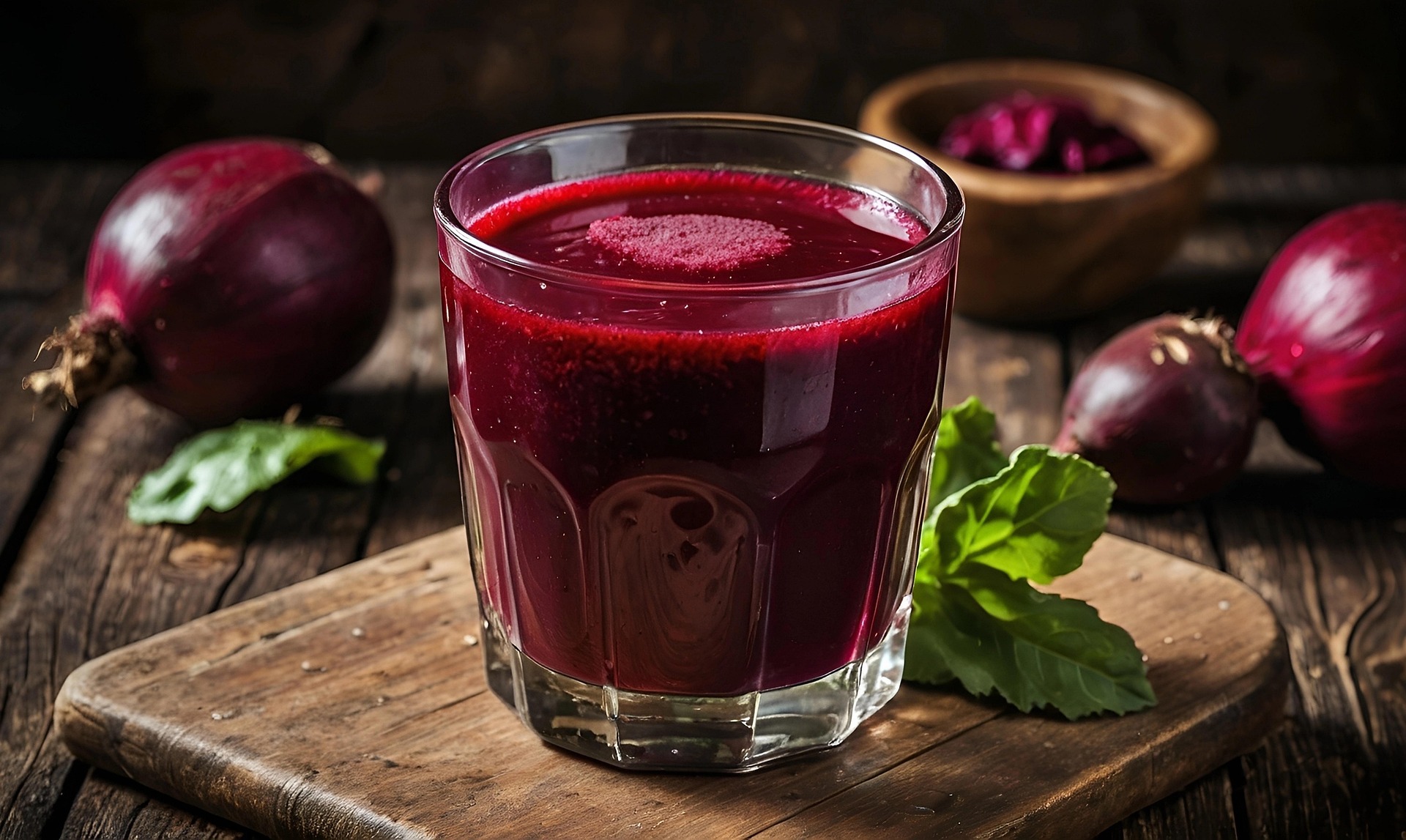

If you’re looking into beetroot juice for blood pressure: how often to drink it, the short answer is daily consistency. Most guidance points to a small glass (around 250ml) most days, rather than a large amount occasionally. If you’re also considering a liver detox 3-day plan, a well-planned version is generally safe for healthy adults, though “detox” is doing more marketing work than biological work here.
Why Beetroot Gets Singled Out for Blood Pressure
Beetroot is naturally high in dietary nitrates, which your body converts into nitric oxide, a compound that helps blood vessels relax and widen. That process is well documented, and it’s the actual mechanism behind why beetroot juice comes up in blood pressure conversations more than most vegetables. It’s not a specific miracle ingredient so much as one with a genuinely traceable effect.
What the Evidence Actually Suggests
Research on beetroot juice and blood pressure generally points to modest, short-term reductions rather than dramatic ones, and the effect tends to be more noticeable in people who don’t already eat a lot of leafy greens or nitrate-rich vegetables. It’s reasonable to treat it as a supportive habit alongside a generally healthy diet, not a replacement for medication or a guaranteed fix.
How Often, and How Much
A small glass most days is a sensible starting point. There’s little evidence that drinking significantly more delivers a proportionally bigger effect, and beetroot’s natural sugar and oxalate content mean more isn’t automatically better here. One practical note: beetroot is dense and fibrous, so a masticating juicer, like the Ninja Cold Press Juicer Machine, tends to get more out of it than a fast centrifugal model, though either will do the job for an occasional glass.
Is a 3-Day Liver Detox Plan Actually Safe?
For most healthy adults, yes, provided you keep it strictly to three days. It is helpful to view it as a hydrating digestive break rather than a “deep clean,” since your liver already detoxes your body continuously on its own. Keep it short, stay hydrated, and treat it as a quick wellness reset rather than a cure for anything serious.
Who Should Be Cautious
Consult your doctor before starting if you fall into any of these categories:
- On blood pressure medication: Adding daily beetroot juice can compound your medication’s effects, dropping your blood pressure too low.
- Prone to kidney stones: Beetroot is high in oxalates, which can contribute to stone formation.
- Pregnant or managing diabetes: Avoid multi-day cleanses/detoxes without direct medical guidance.
Taste Tip: If you dislike the earthy flavor (caused by plant pigments called betalains), blend beetroot with apple or carrot to easily mask the taste without losing the benefits.
Once you’re comfortable with the basics, our beginner’s guide to a 7-day juicing plan is a good way to build a habit like this into a fuller routine rather than a one-off.
Final Sip: Beetroot juice is a genuinely useful habit, not a magic fix. Treat it as a small, consistent addition to how you already eat, and let the rest of your routine do the heavier lifting.


Comments are closed