
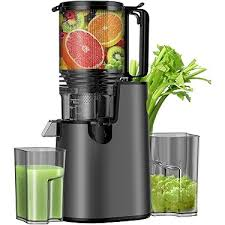

Introduction to Juicing
Juicing is one of the fastest ways to increase your daily intake of fruits and vegetables, while enjoying essential vitamins, minerals and antioxidants in a convenient, and delicious drink. However, knowing how to choose a juicer 2026 guide can be challenging.
With hundreds of juicer machines available, each offering different features, prices, and benefits, finding the right model for your lifestyle requires careful consideration.
In this comprehensive how to choose a juicer 2026 guide, we explain the different types of juicers, their advantages and disadvantages, important buying factors, recommended models, cleaning tips, and answers to common juicing questions.
You will also discover practical advice on juicer maintenance, ways to reuse leftover pulp, and simple juice recipes to help you get started.
Why Consider Juicing?
Juicing is the process of extracting liquid from fruits and vegetables using a juicer machine, either manual or electric. The machine separates the juice from the pulp and other solid parts, creating a nutrient-rich drink packed with vitamins, minerals, and antioxidants.
For many people, juicing is an easy way to add more plant-based nutrition to their daily routine. There are several reasons why people choose to include fresh juice in their lifestyle:
1. Health benefits
Fresh juice provides essential nutrients, antioxidants and plant compounds that support overall wellness. It can be especially useful for people who struggle to eat enough fruits and vegetables every day.
2. Convenience:
Juicing provides a quick and healthy breakfast option or snack, making it ideal for busy mornings. A fresh juice can deliver a powerful nutritional boost without requiring complicated meal preparation.
3. Taste variety:
One of the biggest advantages of juicing is the ability to create endless flavour combinations. You can mix fruits, vegetables, herbs, and spices to create unique juice recipes that match your personal taste.
4. Support wellness goals:
Many people use juicing as part of a healthy lifestyle to support energy levels, weight management goals, hydration, and overall nutrition.
5. Digestive Rest:
Fiber is an important part of a healthy diet, but some people may benefit from temporarily reducing the amount of fiber they consume. Juicing removes most of the insoluble fiber, allowing the body to absorb nutrients more easily.
6. Supplements Nutrition:
Meeting daily nutrition goals can be difficult, especially with busy schedules. Preparing vegetable-rich meals every day takes time, and many people end up choosing less nutritious convenience foods.
Learning how to choose a juicer 2026 guide can help you select the right machine to make healthy eating easier. Fresh homemade juice provides a simple and enjoyable way to increase your intake of fruits and vegetables.
What to Do with Juicer Pulp
After making fresh juice, you will have leftover pulp. Instead of throwing it away, there are many useful ways to reuse it and reduce food waste.
Compost It
Juicer pulp is excellent for composting. It adds organic material to your garden soil and helps reduce household waste.
Add to Baking
Fruit and vegetable pulp can be added to muffins, pancakes, bread, and other baked goods to increase fiber and nutrients.
Boost Soups and Broths
Vegetable pulp can add extra flavor, texture, and nutrients to homemade soups, sauces, and stocks.
Make Veggie Patties
Combine vegetable pulp with ingredients such as eggs, breadcrumbs, and herbs to create healthy homemade fritters or vegetable patties.
Blend into Smoothies
Adding a small amount of pulp to smoothies can increase fiber content and create a thicker texture.
Pet Treats
Some pulp, such as carrot or apple pulp, may be suitable for homemade pet treats in small amounts. Always check which foods are safe for your specific pet before using them.
Reusing juicer pulp helps you maximize the value of your produce while reducing unnecessary waste.
Types of Juicers: Pros and Cons
Before choosing the best juicer for your needs, it is important to understand the different types available. Each juicer style has unique advantages and disadvantages depending on the type of produce you want to juice, how often you juice, your budget, and how much time you want to spend cleaning.
Juicers are generally divided into manual and electric categories.
Manual juicers require physical effort and are ideal for smaller quantities, especially citrus fruits and wheatgrass. Electric juicers are designed for larger batches and offer different features depending on the model.
The main electric juicer types include centrifugal juicers (fast juicers), masticating juicers (cold press juicers), and twin-gear juicers. Understanding these differences is an important part of learning how to choose a juicer 2026 guide for your kitchen.
1. Centrifugal Juicers
How They Work:
Centrifugal juicers use high-speed spinning blades to shred fruits and vegetables. The centrifugal force separates the juice from the pulp, allowing the liquid to flow into the juice container.
These are among the fastest and most affordable juicers available, making them popular with beginners.
Pros:
Speed
Centrifugal juicers produce juice quickly, making them ideal for busy mornings when you want a fresh drink without spending much time preparing ingredients.
Easy to Use
Their simple design makes them beginner-friendly. Most models require minimal preparation and are easy to operate.
Handles Hard Produce Well
These juicers work effectively with firm fruits and vegetables such as:
- Apples
- Carrots
- Celery
- Beets
Affordable
Compared with other juicer types, centrifugal models are usually more budget-friendly, making them a good entry point for people new to juicing.
Cons:
Noisy Operation
The powerful motors operate at high speeds, which can create more noise compared with slower cold-press juicers.
Heat Generation
The fast spinning blades create more heat and introduce more air into the juice, which may slightly reduce nutrient retention.
Lower Juice Yield
Centrifugal juicers typically extract less juice compared with masticating or twin-gear models. You may need to use more produce to make the same amount of juice.
Shorter Juice Shelf Life
Because the high-speed process introduces more oxygen, fresh juice may oxidize faster and lose quality more quickly.
Less Effective with Leafy Greens
Centrifugal juicers are not the best choice for leafy vegetables such as:
- Kale
- Spinach
- Wheatgrass
- Herbs
Best For:
Centrifugal juicers are best for beginners, busy individuals, and anyone who wants quick and convenient juice preparation.
2. Masticating (Cold Press) Juicers
How They Work:
Masticating juicers use a slow-moving auger to crush and squeeze fruits and vegetables through a fine filter. This slow extraction process produces juice with minimal heat and oxidation.
Also known as cold press juicers, they are popular among health-conscious users who want maximum nutrient retention.
Pros:
Higher Juice Yield
Masticating juicers extract more liquid from produce, helping you get more juice from the same amount of fruits and vegetables.
Better Nutrient Retention
The slow extraction process produces less heat and reduces oxidation, helping preserve vitamins, enzymes, and minerals.
Excellent for Leafy Greens
Unlike centrifugal models, cold press juicers perform very well with:
- Kale
- Spinach
- Wheatgrass
- Herbs
Versatile Functions
Many masticating juicers can do more than make juice. Some models can also prepare:
- Nut milk
- Baby food
- Sorbets
- Frozen desserts
Cons:
Slower Process
Because they operate at a lower speed, they take longer to produce juice compared with centrifugal machines.
More Cleaning
Cold press juicers often contain more components, meaning assembly and cleaning can require additional time.
Higher Initial Cost
Quality masticating juicers usually cost more upfront. However, the higher juice yield can help save money on produce over time.
Smaller Feed Chute
Many models have narrower feeding openings, meaning fruits and vegetables may need to be chopped into smaller pieces before juicing.
Best For:
Masticating juicers are ideal for health enthusiasts, leafy green lovers, and anyone focused on maximizing nutrition and juice quality.
3. Citrus Juicers
How They Work:
Citrus juicers are designed specifically for extracting juice from citrus fruits such as:
- Oranges
- Lemons
- Limes
- Grapefruits
They are available in both manual and electric versions.
Pros:
Simple to Use
Citrus juicers are easy to operate and require minimal preparation.
Compact and Easy to Clean
Most citrus juicers have fewer parts, making them convenient for small kitchens and daily use.
Great Flavor
Because they are designed specifically for citrus fruits, they often produce fresh-tasting juice with excellent texture.
Cons:
Limited Use
They are designed mainly for citrus fruits and cannot handle most vegetables or harder produce.
Manual Effort
Manual citrus presses require physical effort, especially when making larger quantities of juice.
Best For:
Citrus juicers are perfect for people who enjoy fresh orange juice, lemon juice, or other citrus drinks every day.
4. Twin-Gear (Triturating) Juicers
How They Work:
Twin-gear juicers use two interlocking gears that slowly crush and grind produce. This process extracts juice efficiently while minimizing oxidation and preserving nutrients.
They are considered some of the most advanced juicers available.
Pros:
Highest Juice Yield
Twin-gear models extract an impressive amount of juice, helping you get maximum value from your produce.
Superior Nutrient Extraction
The slow grinding process helps preserve enzymes, vitamins, and minerals.
Longer Juice Storage
Because oxidation is reduced, juice from twin-gear machines can often stay fresh longer than juice from high-speed models.
Extremely Versatile
Many twin-gear juicers can make:
- Nut butters
- Sorbets
- Pasta
- Baby food
They can also handle a wide range of fruits, vegetables, and leafy greens.
Quiet Operation
Despite their powerful performance, many twin-gear models operate quietly compared with centrifugal juicers.
Cons:
Expensive
Twin-gear juicers are usually among the most expensive options.
Large and Heavy
Their advanced design means they often require more countertop space and storage room.
Slower Juicing
They take longer than centrifugal models because they operate at a slower speed.
More Parts to Clean
The additional components require more cleaning and maintenance.
Best For:
Twin-gear juicers are best for serious juicing enthusiasts, frequent users, and people who want maximum juice quality and efficiency
5. Manual Juicers
How They Work:
Manual juicers work without electricity and use hand-powered mechanisms to extract juice. They are commonly used for citrus fruits and wheatgrass.
Pros:
Affordable and Portable
Manual juicers are inexpensive, lightweight, and easy to transport.
Quiet Operation
Because they do not use motors, they operate silently.
Easy Cleaning
With fewer parts and no electrical components, cleaning is usually quick and simple.
No Electricity Required
They are useful for travel, camping, outdoor use, or situations where electricity is unavailable.
Cons:
Limited Functionality
Manual juicers are generally best suited for softer produce and citrus fruits.
Lower Juice Yield
They usually produce less juice compared with electric models.
Requires Physical Effort
Making large amounts of juice can become tiring.
Time-Consuming
Manual juicing is not ideal for people who make large quantities of juice regularly.
Best For:
Manual juicers are best for occasional juicers, citrus lovers, travelers, and anyone who prefers a simple, low-maintenance option.
Factors to Consider When Choosing a Juicer
Choosing the right juicer depends on your lifestyle, the type of produce you plan to use, your budget, and how often you want to make fresh juice. Before purchasing a juicer machine, consider these important factors to ensure you choose the best option for your needs.
Understanding these features is an essential part of learning how to choose a juicer 2026 guide and finding a machine that fits your daily routine.
Type of Produce
The type of fruits and vegetables you plan to juice regularly should be one of your first considerations.
Different juicers perform better with different types of produce. For example:
- Centrifugal juicers are excellent for hard fruits and vegetables such as apples, carrots, and celery.
- Masticating juicers are better for leafy greens like kale, spinach, and wheatgrass.
- Citrus juicers are designed specifically for oranges, lemons, limes, and grapefruit.
Before buying a juicer, think about what you will juice most often. A machine that works perfectly for apples and carrots may not perform well with leafy greens.
Choosing a juicer based on your preferred ingredients will help you get better results and avoid disappointment.
High Juice Yield
Juice yield is one of the most important factors when selecting a juicer. It measures how efficiently a machine extracts juice from the same amount of produce.
A higher juice yield means:
- More juice from your fruits and vegetables
- Less money spent on produce
- Less leftover waste
Masticating and twin-gear juicers usually produce higher yields because they slowly crush and squeeze ingredients, extracting more liquid from the pulp.
If you juice regularly, investing in a higher-yield juicer can save money over time.
Ease of Cleaning
Cleaning is one of the biggest factors that affects how often people use their juicer.
A machine that is difficult to clean may end up sitting unused in your kitchen. Before purchasing, consider:
- How many parts need washing
- How easy it is to assemble and disassemble
- Whether components are dishwasher-safe
- How simple it is to clean the filter or mesh screen
Generally, juicers with more parts require more cleaning time. However, after using your machine several times, assembly, disassembly, and cleaning usually become much easier.
Cleaning your juicer immediately after use will also prevent dried pulp buildup and make maintenance much simpler.
Noise Level
Noise can be an important consideration, especially if you juice early in the morning or share your home with others.
Centrifugal juicers typically produce more noise because of their powerful, high-speed motors.
Masticating and twin-gear juicers operate much more quietly because they extract juice using slower grinding and pressing methods.
If a peaceful kitchen environment is important to you, a cold press juicer may be the better choice.
Speed vs. Nutrient Retention
One of the biggest differences between juicer types is the balance between speed and nutrient preservation.
Fast Juicers
Centrifugal juicers produce juice quickly, making them convenient for busy lifestyles. However, their high-speed operation creates more heat and introduces more oxygen, which may reduce nutrient retention and shorten juice freshness.
Slow Juicers
Masticating and twin-gear juicers work more slowly but provide better nutrient preservation. Their gentle extraction process helps protect vitamins, enzymes, and minerals.
When deciding how to choose a juicer 2026 guide, consider whether speed or maximum nutrition is more important for your lifestyle.
Size and Storage
Kitchen space is another important factor when buying a juicer.
Some high-performance juicers can be large and heavy, requiring permanent countertop space. Others are compact and easy to store after each use.
Consider:
- Available countertop space
- Storage cabinet size
- Weight of the machine
- Ease of moving the juicer when needed
Remember to leave enough space around your juicer for:
- Feeding produce
- Collecting juice
- Removing pulp containers
- Cleaning components
A juicer that fits comfortably in your kitchen is more likely to become part of your daily routine.
Budget
Juicers are available at a wide range of prices, from affordable beginner models to premium machines designed for serious juicing enthusiasts.
As a general guideline:
- Budget juicers may cost around $50–$150
- Mid-range models often cost $150–$300
- Premium juicers can cost $300–$500 or more
Higher-priced models often provide:
- Better juice extraction
- Longer warranties
- More functions
- Stronger motors
- Higher-quality construction
However, the most expensive juicer is not always the best choice. The right machine depends on how often you juice and what features matter most to you.
Warranty
A good warranty can provide confidence when investing in a juicer.
Longer warranties often indicate that manufacturers have confidence in their products.
Many masticating juicers offer longer motor warranties, sometimes 10 years or more, because their slower operating systems place less stress on the motor.
Centrifugal juicers typically offer shorter warranties, often between 1 and 5 years.
Before buying, check:
- Warranty length
- What parts are covered
- Whether replacement parts are available
- Where repairs are handled
A reliable warranty can make a significant difference in the long-term value of your juicer.
Top Juicer Recommendations for 2026
With so many juicer machines available, choosing the right model can feel overwhelming. The best juicer depends on your goals, whether you want fast juice preparation, maximum nutrient retention, an affordable beginner option, or a machine that can handle a variety of ingredients.
Below are some of the top recommended juicers for different needs. These models stand out for their performance, reliability, ease of use, and overall value.
Best Centrifugal Juicer: Breville Juice Fountain Plus
The Breville Juice Fountain Plus is an excellent choice for anyone who wants fast, convenient juicing without complicated preparation.
Its powerful motor and user-friendly design make it especially popular among beginners and busy households.
Key Features:
- 850W powerful motor delivers fast and efficient juicing performance.
- Two-speed control allows you to adjust settings for softer fruits and harder vegetables.
- Large 3-inch feed chute reduces preparation time by allowing larger pieces of produce.
- Strong juice extraction provides excellent results for a centrifugal juicer, especially with apples, carrots, and other firm produce.
- Dishwasher-safe parts make cleaning easier after each use.
Best For:
The Breville Juice Fountain Plus is ideal for beginners, busy users, and anyone who wants fresh juice quickly with minimal effort.
Best Masticating Juicer: Omega NC900HDC
The Omega NC900HDC is a premium cold press juicer designed for people who prioritize nutrition, juice quality, and versatility.
Its slow extraction process helps preserve nutrients while producing a high juice yield from a wide range of ingredients.
Key Features:
- Slow 80 RPM extraction helps minimize heat buildup and oxidation.
- Excellent performance with leafy greens such as kale, spinach, and wheatgrass.
- Multi-functional design allows you to make more than juice, including:
- Nut butters
- Baby food
- Pasta
- Frozen desserts
- Quiet operation makes it suitable for early mornings and shared living spaces.
- 15-year warranty provides excellent long-term confidence.
Best For:
The Omega NC900HDC is perfect for health-conscious users who want maximum nutrient retention and a versatile kitchen appliance.
Best Budget Juicer: Nutribullet Juicer
For beginners looking for an affordable way to start juicing, the Nutribullet Juicer offers a simple and practical solution.
It provides good performance without the complexity or higher price of premium models.
Key Features:
- 800W motor provides reliable performance in a compact design.
- Simple construction makes assembly and cleaning easier.
- Beginner-friendly operation makes it a great first juicer.
- Affordable price point allows new users to explore juicing without a major investment.
- Froth separator included helps create smoother juice.
Best For:
The Nutribullet Juicer is ideal for beginners, occasional juicers, and anyone who wants a compact machine that delivers good results at an affordable price.
Best Citrus Juicer: Cuisinart Pulp Control Citrus Juicer
If you mainly enjoy fresh orange juice, lemon juice, or other citrus drinks, a dedicated citrus juicer can provide excellent results with minimal effort.
The Cuisinart Pulp Control Citrus Juicer is designed specifically for citrus lovers who want convenient daily juice preparation.
Key Features:
- Adjustable pulp control allows you to customize your preferred juice texture.
- Easy operation and cleaning with dishwasher-safe removable parts.
- Compact design fits easily on kitchen countertops or in storage spaces.
- Designed for citrus fruits including oranges, lemons, limes, and grapefruit.
Best For:
This juicer is perfect for people who drink citrus juice regularly and want a simple, efficient machine for everyday use.
Best Manual Juicer: Zulay Premium Manual Citrus Press
For those who prefer simplicity, portability, and no electricity, a manual citrus press can be an excellent option.
The Zulay Premium Manual Citrus Press offers an easy way to enjoy fresh citrus juice anywhere.
Key Features:
- No electricity required, making it useful for travel, camping, or outdoor use.
- Compact and lightweight design allows easy storage.
- Quiet operation with minimal cleaning requirements.
- Strong citrus extraction works well with lemons, oranges, limes, and grapefruit.
- Affordable and durable construction makes it a practical choice.
Best For:
The Zulay Premium Manual Citrus Press is ideal for occasional juicers, citrus lovers, and people who want a simple, low-maintenance option.
Choosing the right juicer depends on your personal needs. Whether you prefer speed, nutrient preservation, affordability, or versatility, there is a juicer model available to match your lifestyle.
Understanding these differences is an important step in learning how to choose a juicer 2026 guide and finding the perfect machine for your kitchen.
Best Citrus Juicer: Cuisinart Pulp Control Citrus Juicer
The Cuisinart Pulp Control Citrus Juicer is an excellent choice for anyone who enjoys fresh citrus juice and wants a simple, reliable machine for everyday use.
Key Features:
- Adjustable pulp control allows you to customize your juice texture based on your personal preference.
- Easy to use and clean, with removable dishwasher-safe parts for convenient maintenance.
- Compact design fits easily on kitchen countertops or inside cabinets.
- Perfect for citrus fruits including oranges, lemons, limes, and grapefruits.
- Ideal for daily citrus lovers who want a quick vitamin C boost from fresh juice.
Best Twin-Gear Juicer: Tribest Greenstar Elite
The Tribest Greenstar Elite is a premium twin-gear juicer designed for serious juicing enthusiasts who want maximum juice extraction, excellent nutrient preservation, and long-term durability.
Its advanced twin-gear system slowly crushes and squeezes produce, helping extract more juice while reducing oxidation.
Key Features:
- Dual interlocking gears provide powerful and efficient juice extraction.
- High juice yield helps you get the most from your fruits and vegetables.
- Superior nutrient retention helps preserve enzymes, vitamins, and minerals.
- Handles a wide variety of produce, including hard vegetables, leafy greens, and herbs.
- Multi-functional design allows you to create nut butters, sorbets, pasta, and other healthy recipes.
- Quiet operation and durable construction make it suitable for frequent use.
Best For:
The Tribest Greenstar Elite is best for experienced juicers, health-focused users, and anyone who wants professional-level juice quality at home.
Juicer Maintenance and Cleaning Tips
Keeping your juicer clean is not only important for hygiene—it also helps maintain better-tasting juice and extends the life of your machine.
A clean juicer works more efficiently, prevents bacteria buildup, and ensures every glass of juice tastes fresh. Here are some simple maintenance tips to keep your juicer performing at its best.
Clean Immediately After Use
Cleaning your juicer straight after making juice is one of the easiest ways to keep it in excellent condition.
Benefits:
- Prevents pulp and juice residue from drying and sticking to components.
- Makes the cleaning process faster and easier.
- Helps prevent long-term buildup that can affect performance and flavor.
Use the Right Cleaning Tools
Different juicer parts require different cleaning methods, especially the fine mesh filters.
Cleaning Tips:
- Use the cleaning brush included with your juicer or a soft toothbrush to clean mesh strainers.
- Avoid metal scrubbers because they can damage fine filters and plastic components.
- Use specialty cleaning brushes to reach small spaces and difficult areas.
- Rinse all removable parts under warm water immediately after juicing.
Taking care of the small components helps your juicer last longer and continue producing high-quality juice.
Deep Cleaning Routine
Even with daily rinsing, your juicer benefits from regular deep cleaning.
Follow These Steps:
- Soak removable parts in warm water with mild dish soap for 10–15 minutes.
- For stubborn stains or unpleasant odors, add a small amount of lemon juice or white vinegar to the soaking water.
- Rinse all parts thoroughly.
- Allow components to air dry completely before reassembling.
Regular deep cleaning prevents buildup and keeps your juicer fresh and ready for everyday use.
What to Avoid
Proper cleaning also means avoiding practices that can damage your juicer.
Avoid:
- Harsh scrubbing that can damage mesh filters and plastic surfaces.
- Submerging the motor base in water. Instead, wipe it clean with a damp cloth.
- Using abrasive cleaners or bleach unless specifically recommended by the manufacturer.
Gentle cleaning will protect your investment and help your juicer perform better for years.
Manufacturer’s Manual Matters
Every juicer model has specific cleaning and maintenance instructions, so always check the manufacturer’s recommendations.
Important Points:
- Check which parts are dishwasher-safe because not all components can handle dishwasher cleaning.
- Follow the correct assembly and disassembly instructions for your model.
- Replace worn brushes, filters, or accessories when needed.
Following the manufacturer’s guidelines helps prevent damage and keeps your warranty valid.
Best Fruits and Vegetables for Juicing
Juicing is a delicious way to increase your intake of vitamins, minerals, and antioxidants. However, choosing the right produce makes a significant difference in flavor, nutrition, and overall juice quality.
Understanding how to choose a juicer 2026 guide also means knowing which fruits and vegetables work best with your machine.
Here are some of the best options for creating healthy and flavorful juice combinations:
Apples
Sweet, crisp, and versatile, apples are one of the best base ingredients for almost any juice recipe. They add natural sweetness and blend well with vegetables and leafy greens.
Oranges & Lemons
Packed with vitamin C, citrus fruits add a refreshing flavor and help brighten vegetable-based juices.
Carrots
Naturally sweet and rich in beta-carotene, carrots are excellent for creating smooth, flavorful juices that support overall wellness.
Celery
Hydrating and refreshing, celery adds a light flavor and works well in green juice combinations.
Beets
Beets provide an earthy taste and contain powerful antioxidants and natural nitrates that make them a popular addition to wellness-focused juices.
Ginger
Ginger adds a spicy kick while supporting digestion and improving the flavor of many juice blends.
Kale & Spinach
Leafy greens such as kale and spinach are packed with nutrients, including iron, folate, and chlorophyll. They are especially popular with cold press juicer users.
Cucumbers
With their high water content, cucumbers create light, refreshing juices and help balance stronger flavors.
Berries
Berries provide antioxidants and vibrant flavors. They work best when combined with other juicy fruits or blended into smoothies.
Pro-Tips for Taste and Nutrition
To create better-tasting and more nutritious juices, follow these simple tips:
- Balance sweet fruits with leafy greens to avoid making juices too high in natural sugar.
- Add citrus fruits or ginger to brighten flavors and reduce bitterness.
- Use seasonal produce whenever possible for better taste and nutritional value.
- Drink fresh juice soon after extraction because nutrients and flavor decline over time.
Common Juicing Mistakes to Avoid
Juicing can be a powerful addition to a healthy lifestyle, but making a few common mistakes can reduce the benefits.
Here are the most common juicing mistakes and how to avoid them:
Not Drinking Juice Immediately
Why It Matters:
Fresh juice starts oxidizing as soon as it is exposed to air. This process can reduce nutrient levels and affect flavor quality.
Fix It:
Drink your juice within 15–30 minutes whenever possible. If storing juice, keep it in an airtight glass container in the refrigerator.
Using Too Many Fruits
Why It Matters:
Although fruits contain natural sugars, consuming too many sweet fruits in one juice can increase sugar intake.
Fix It:
Follow the 80/20 rule:
- 80% vegetables
- 20% fruit
This creates a balanced juice with better nutritional value.
Skipping Leafy Greens
Why It Matters:
Leafy greens such as kale, spinach, and wheatgrass provide important nutrients, including chlorophyll, iron, and micronutrients.
Fix It:
Add a handful of leafy greens to your juice recipes to increase nutritional value and create more balanced drinks.
Not Rotating Produce
Why It Matters:
Using the same ingredients every day may limit nutritional variety.
Fix It:
Rotate fruits, vegetables, and leafy greens regularly to enjoy different nutrients, flavors, and benefits.
Neglecting Cleaning
Why It Matters:
Leftover pulp and juice residue can encourage bacteria growth and affect the taste of future juice batches.
Fix It:
Clean your juicer immediately after use. Use a brush for filters and soak removable parts regularly for deeper cleaning.
Frequently Asked Questions
Is Juicing Better Than Blending?
Juicing removes most fiber, allowing nutrients to be absorbed quickly, while blending keeps the fiber intact to support digestion. Both methods can be beneficial depending on your health goals.
How Long Can I Store Fresh Juice?
Fresh juice is best consumed immediately, but it can usually be stored in an airtight container in the refrigerator for up to 48 hours.
Can I Juice Leafy Greens in a Centrifugal Juicer?
Yes, but masticating juicers are generally more efficient because they extract more juice from leafy vegetables.
Do Juicers Waste Food?
Juicers separate liquid from pulp, but the leftover pulp can be reused in recipes, compost, soups, muffins, and vegetable patties.
Is It Worth Buying an Expensive Juicer?
If you juice frequently and value higher juice yields, better nutrient retention, and long-term durability, a quality juicer can be a worthwhile investment.
Bonus: Simple Juice Recipes to Get Started
These easy juice recipes are perfect for beginners and provide a delicious way to start using your new juicer.
Green Energy Juice
Ingredients:
- 2 apples
- 1 cucumber
- 3 kale leaves
- ½ lemon
- Small piece of ginger
Refreshing and energizing, this green juice is a great choice for a healthy morning boost.
Morning Sunshine Juice
Ingredients:
- 2 oranges
- 1 carrot
- ½ beet
A naturally sweet combination packed with vitamin C and beta-carotene to brighten your day.
Immunity Booster
Ingredients:
- 1 orange
- ½ cup pineapple
- 1 carrot
- Small piece of turmeric
This flavorful juice combines nutrient-rich ingredients with anti-inflammatory properties.
Berry Citrus Blast
Ingredients:
- ½ cup mixed berries
- 1 orange
- ½ cup water or coconut water
A refreshing, antioxidant-rich drink with a sweet and tangy flavor.
These simple juice recipes make it easy to begin your juicing journey while adding more essential nutrients to your daily routine.
Final Thoughts
Investing in a juicer can make it easier and more enjoyable to consume more fruits and vegetables every day. The best juicer for you depends on your personal needs, preferences, and lifestyle.
Whether you prioritize speed, nutrient preservation, affordability, or versatility, understanding how to choose a juicer 2026 guide will help you make a smarter buying decision.
A quality juicer can become a valuable addition to your kitchen, helping you create fresh, nutritious drinks that support a healthier lifestyle.
If you are ready to improve your wellness routine, explore the recommended juicers above and start creating fresh homemade juice today.


Comments are closed